
UPH Contributes to SDG Policy Development Through Government and NGO Partnerships
TANGERANG, 2025 – Universities play an important role in sustainable development not only through education and research, but also by contributing knowledge and perspectives to policy discussions involving government, NGOs, diplomatic institutions, and other stakeholders. Through the Foreign Policy Community Indonesia (FPCI) Chapter at Universitas Pelita Harapan (UPH), the University has participated in multi-stakeholder policy dialogues to address economic development, national and regional cooperation, environment sustainability, as well as the implementation of the SDGs.
Such engagements provide opportunities for UPH’s academic staff and students to contribute their perspectives to identify the challenges of policy development, recommend strategic developments and considerations of future policy pathways for better sustainable development. Relevant events that happened this year are as follows:
- FPCI UPH Contributes Academic Perspectives to Indonesia–Thailand Policy Recommendations
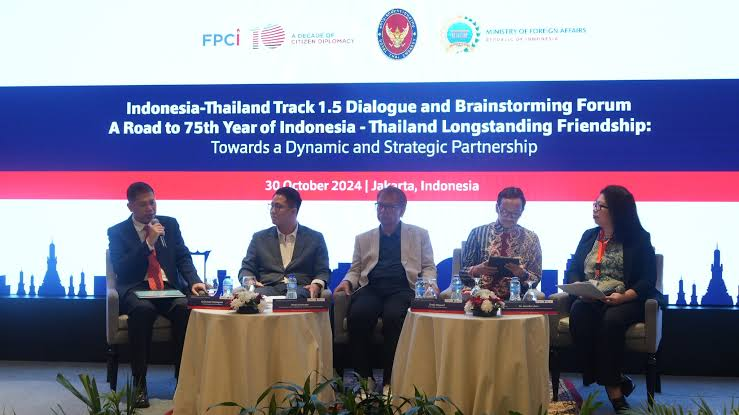
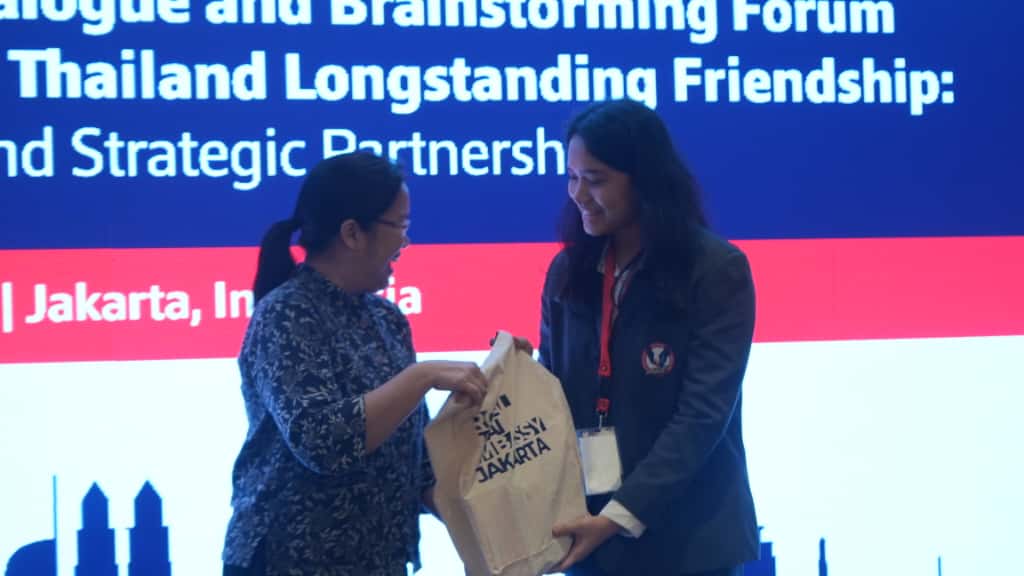
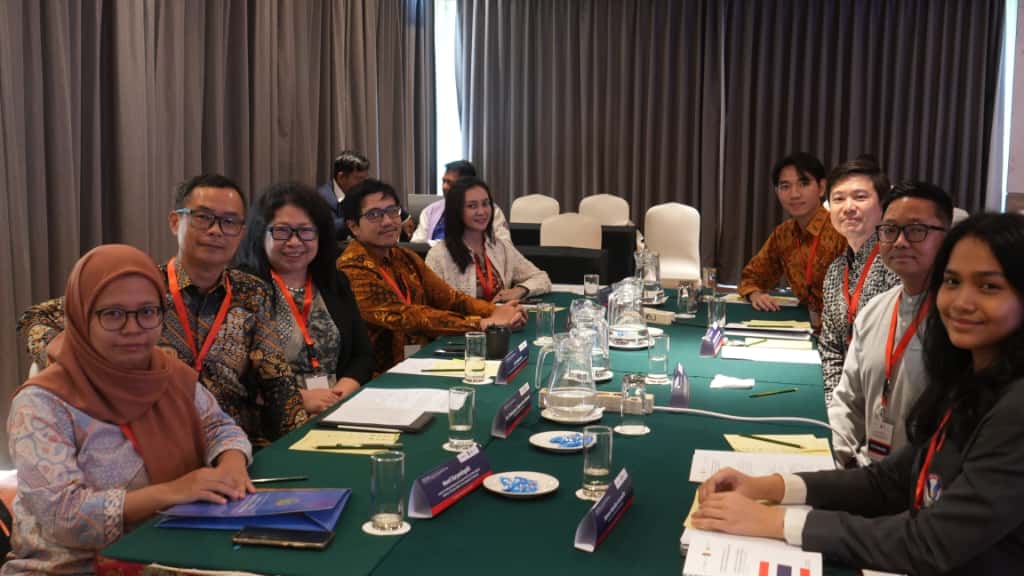
On October 30, 2024, FPCI UPH representatives participated in the “Indonesia–Thailand Track 1.5 Dialogue and Brainstorming Forum: A Road to the 75th Year of Indonesia–Thailand Longstanding Friendship: Towards a Dynamic and Strategic Partnership in Jakarta”.
Organized by Foreign Policy Community Indonesia (FPCI) together with the Embassy of Thailand in Indonesia, the forum brought together various government, academia, civil society, business group, and student representatives from both countries to reflect on the bilateral relationship and explore strategies for addressing future challenges and opportunities. Afterwards, the discussions were consolidated into a set of policy recommendations to strengthen the bonded relations between Indonesia and Thailand.
UPH was invited to contribute an academic perspective into the dialogue. Representing the academic perspective, Dr Amelia Liwe contributed insights of strengthening ASEAN centrality, which includes the use of both formal and informal diplomatic channels, as well as increasing intra-ASEAN investment to strengthen ASEAN’s economic resilience as a sustainable region. Correspondingly closely to several areas addressed in the forum, the recommendations call for Indonesia and Thailand to leverage their respective relationships with China and the United States, as well as increasing trade through joint ventures and strategic investments to solve the gap of the issue.
Through this engagement, UPH demonstrates how academic participation can contribute to a multi-stakeholder policy ecosystem, connecting academic perspectives with government, diplomatic, civil society, and youth stakeholders in the formulation of forward-looking regional policy recommendations.
And the access to full policy recommendations have been published by FPCI Indonesia through this link: https://bit.ly/IDTH75PR or embedded below.
- FPCI UPH Engages in Policy Dialogue on a Low-Carbon and Green Economy
UPH’s engagement in SDG policy dialogue continued through the public dialogue “Shaping Tomorrow: Intergenerational Action Towards a Low-Carbon and Green Economy”, held on May 8, 2025, in collaboration with the Ministry of National Development Planning (Bappenas), the UK International Development organization, and Foreign Policy Community Indonesia (FPCI).
The dialogue brought together stakeholders from the government, IGOs, NGOs, academia, and private-sectors to discuss policy challenges and potential strategies for Indonesia’s transition toward a low-carbon and green economy. The session began with opening remarks and a keynote address from Febrian Alphyanto Ruddyard, Vice Minister of National Development Planning / Deputy Head of Bappenas, and H.E. Dominic Jermey, British Ambassador to Indonesia and Timor-Leste. The discussion was further enriched by the UK Special Representative for Climate and representatives from NGOs and civil society organizations, including Think Policy, Westminster Foundation for Democracy, and Katadata Green.
The presence of these organizations created a multi-stakeholder policy dialogue in which perspectives from government, NGOs, international development organizations, and other stakeholders could be brought together to examine the challenges of developing greener economic policies. This collaborative approach was particularly relevant to SDG 17, which emphasizes partnerships among diverse institutions to support sustainable development.
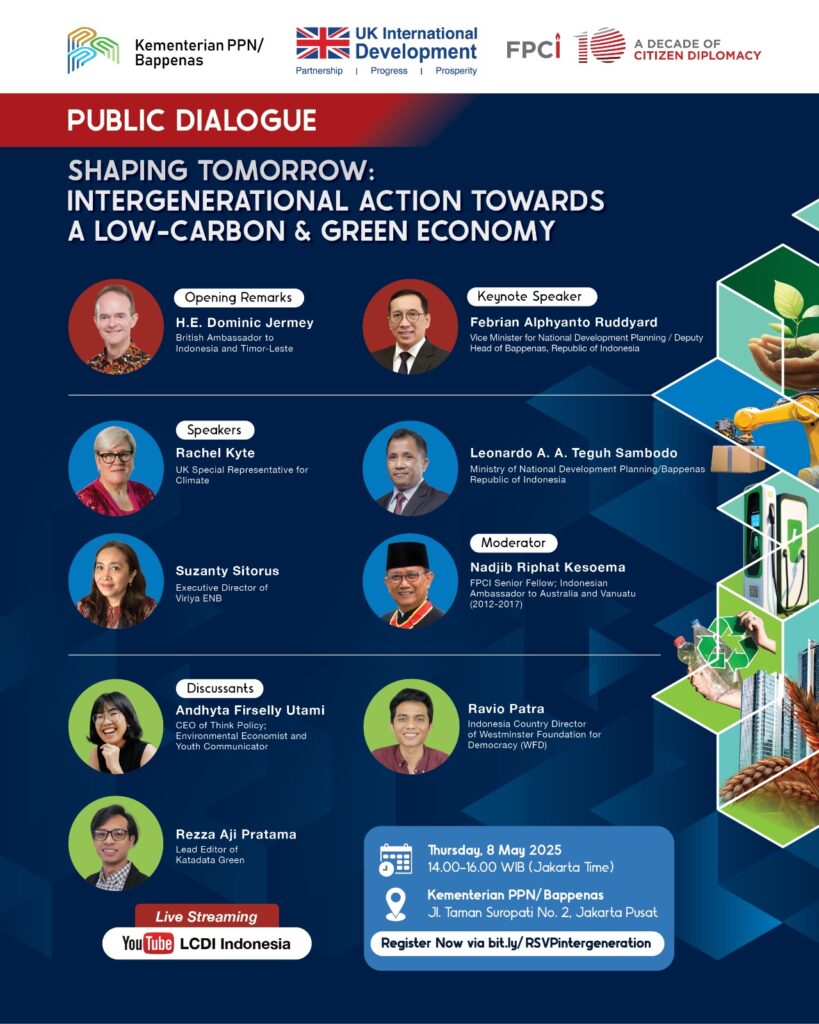
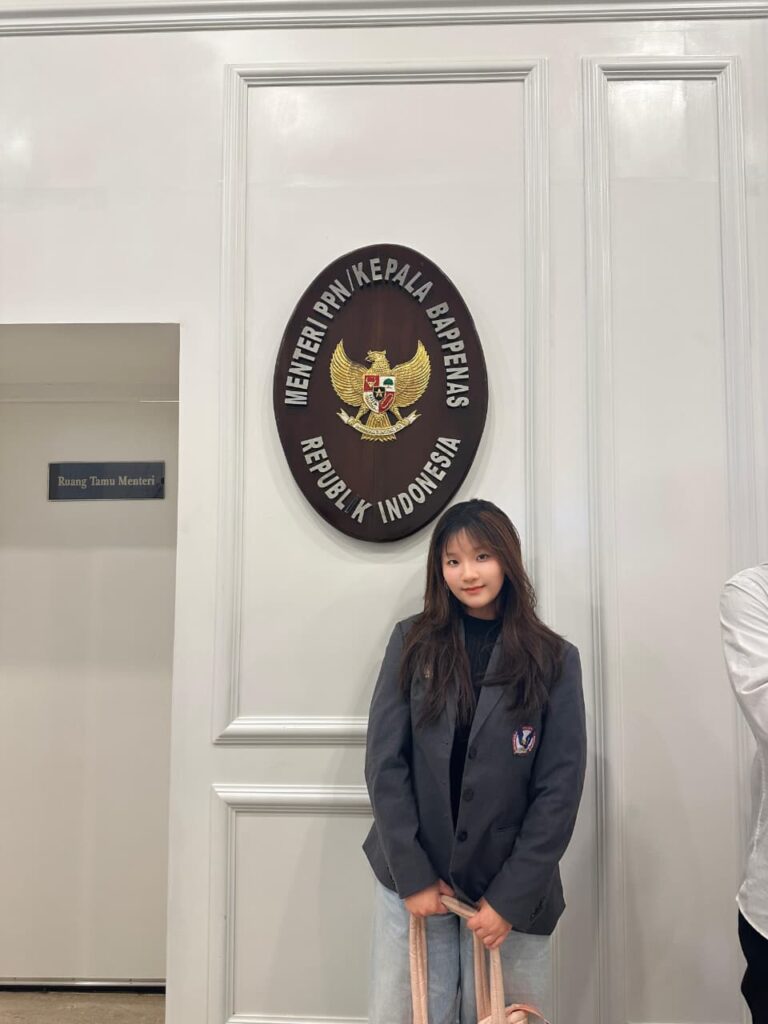
Representatives of FPCI UPH contributed an academic perspective to the dialogue, particularly by raising the question of how the implementation of SDGs 6, 7, 11, 12, and 17 can be pursued while maintaining the economic growth needed to support SDG 8: Decent Work and Economic Growth. The contribution highlighted the interconnected nature of environmental and economic policy, emphasizing the need to consider sustainable development objectives alongside economic growth.
The discussion also criticized how imperative management of consumption and fiscal growth is during a greener economy. Stakeholders further emphasized the importance of multilevel partnerships among NGOs, government, international development organizations, and other relevant actors are in implementing and development sustainable policy responses.
The dialogue is also contributing to a policy brief currently under development, providing a continuing pathway for the perspectives and issues discussed by the participating stakeholders to inform policy development.