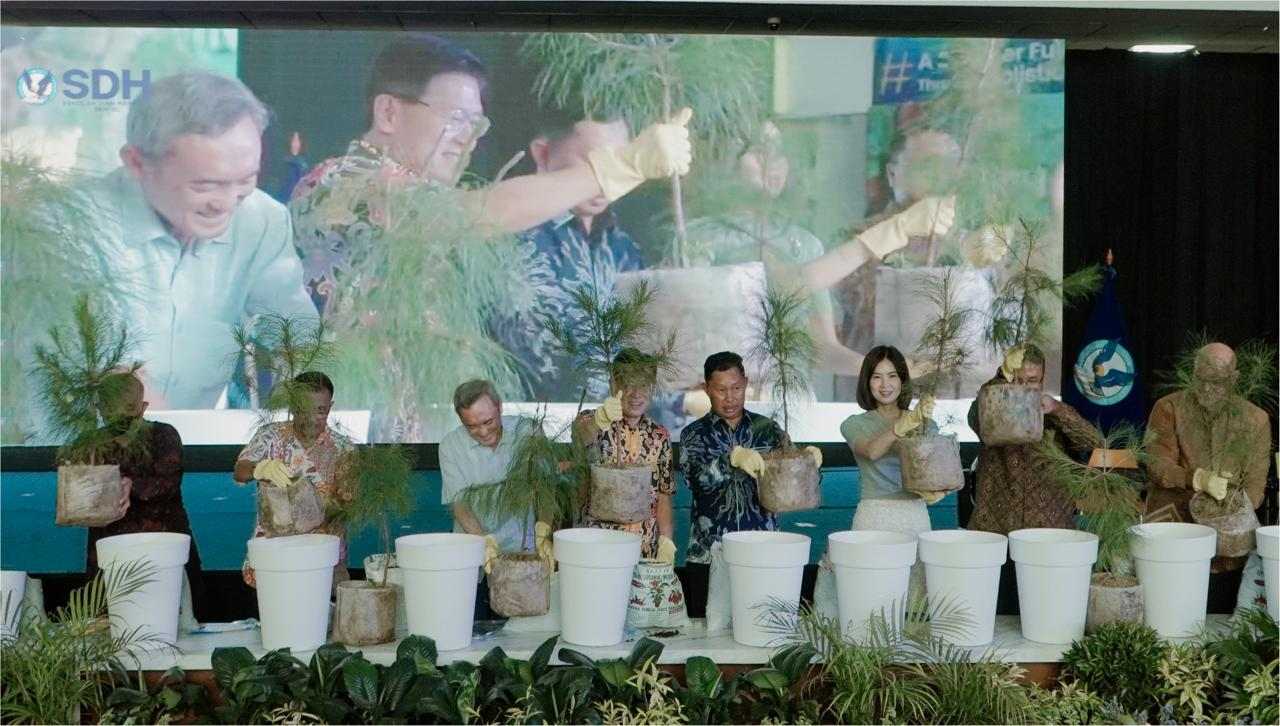
UPH Strengthens Stakeholder Engagement Through Curriculum Review and Development in the Faculty of Education
Universitas Pelita Harapan ensures local stakeholders contribute to university decision-making processes through meaningful engagement. Notable stakeholders include industry representatives, local and civil society, students, alumni, and even partner institutions. Partner participation is facilitated through various platforms particularly collaborative forum discussions and collaboration programmes, to ensure that UPH’s Tri Dharma directions (academic, research, and community service) may suit the appropriate local needs. The formal decision-making processes are formalised into the following programmes:
- Curriculum Development
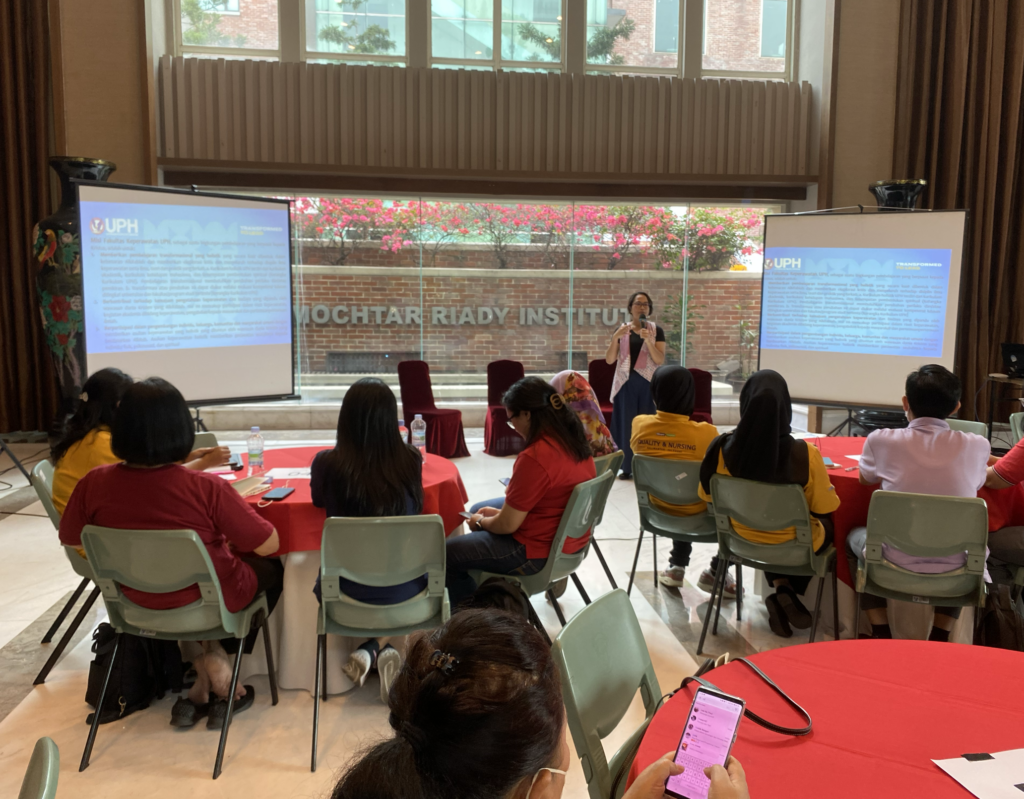
Coordinated by the university unit for developing operational curriculums, the Center for Teaching and Learning (CTL) UPH conducts several focus group discussions for everystudy programme to evaluate the effectiveness and relevancy of their curriculum. This is conducted regularly every four years to ensure that each programme undergoes comprehensive evaluation and renewal. The focus group discussions include stakeholders from alumni, students, parents, civil society, graduate employers, industrial partners, university partners, and even lecturers – to give feedback on the pros and cons of the curriculum implementation over its active past four years. For example, when formulating the scientific design of Bachelor and Profession of Nursing, stakeholders emphasised that the aspect of transcultural nursing should be explicitly present in the curriculum, encapsulating the values of inclusivity in modern-day nursing. The collaborative approach, thus, ensures that graduates are equipped with competencies that can fulfil both national and international industry demands.
- Research and Community Service Collaborations
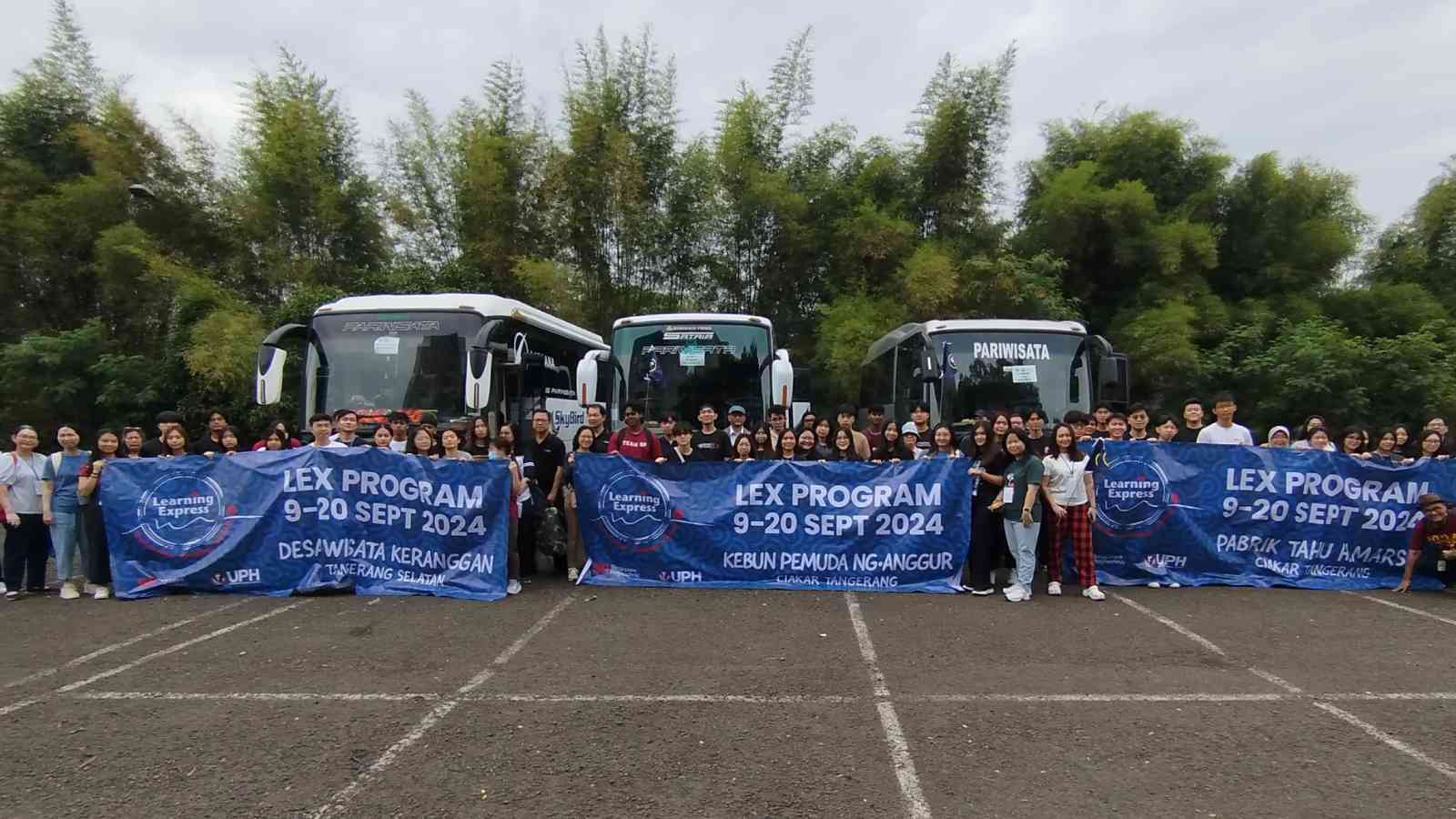
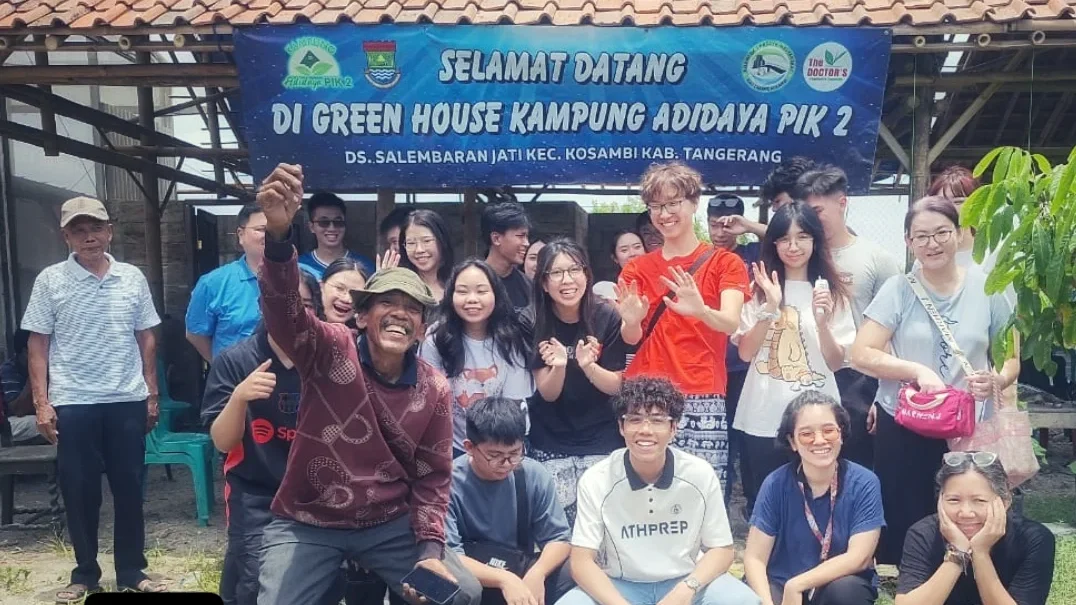
Through the Center for Research and Community Development (CRCD), UPH engages various university partners, civil society groups, and NGOs in conducting collaborated research, co-authorship, and community service projects, which involve stakeholders in fulfilment of UPH’s research agenda and strategic vision. One example is the ongoing collaboration with Singapore Polytechnic (since 2023-present) that gave output to a 12-day research and community service programme to multiple villages in Tangerang.
- Local and International Academic Partnerships
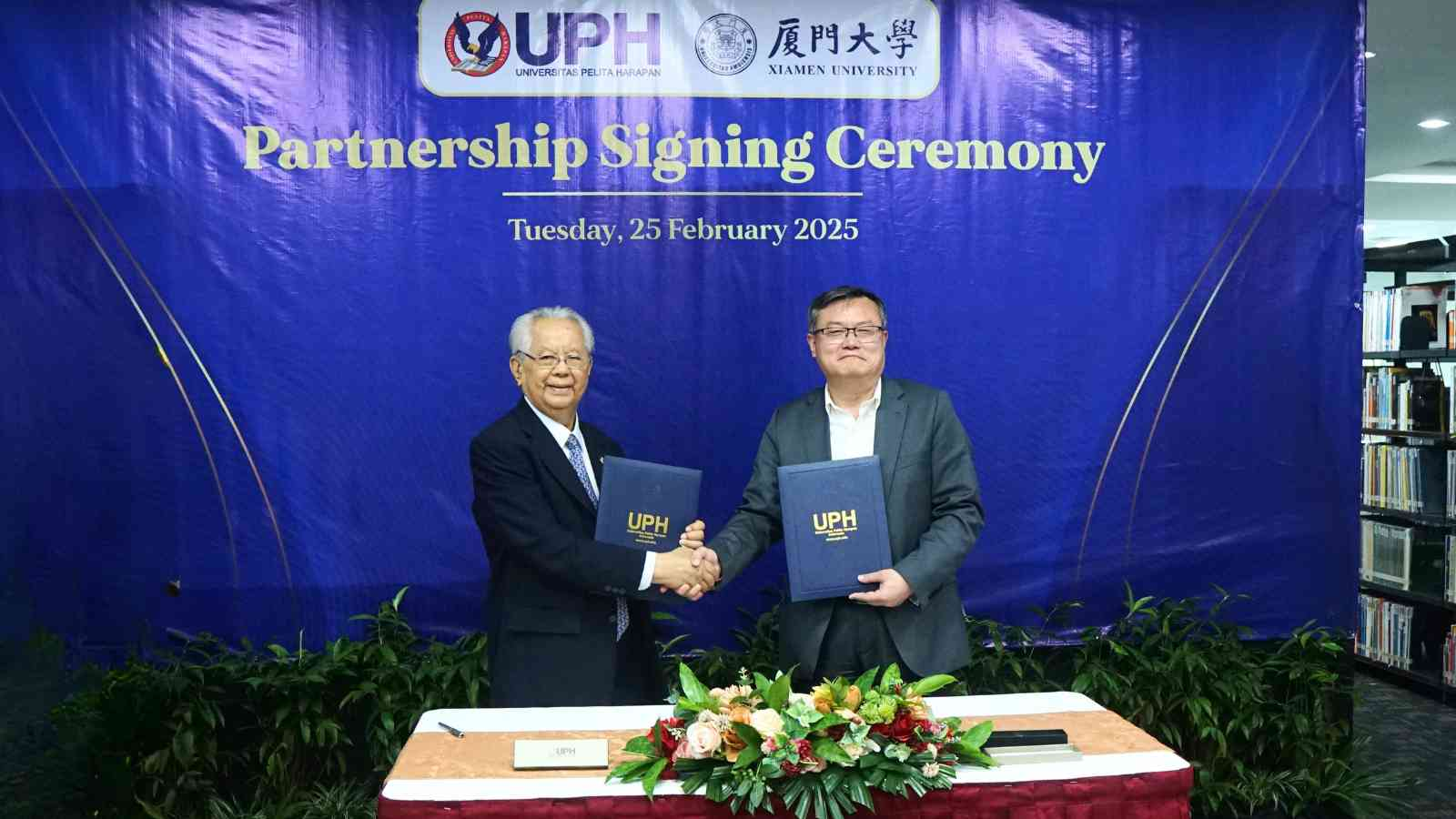
Beyond industrial partnerships, UPH is also active in collaborating with academic institutions in shared decision-making processes. Building such relations affects university decisions, especially programme building efforts and diversification to steer the university’s strategic plan to improve in excellence of academic services and pathways. One example of partnership is with Xiamen University for teaching and research collaborations, as well as cross-cultural exchanges for students.
- University Advisory Board
The university also has an assigned advisory board that was established since the university’s formation and includes representative members from industry, civil society, university and Foundation representatives. This board was assigned to ensure the university founder’s decision-making processes can suit the local and industrial trends and needs, to maintain its relevance in today’s national and global developments. Notable programmes established from the board advices are collaborations for school formations and free or discounted higher education tracks for those school alumni.