UPH Women Access Measures 2024/2025
Universitas Pelita Harapan Affirms Equal Opportunity Regardless of Gender in Admissions Policy
Universitas Pelita Harapan has codified a policy of non-discrimination in its student admissions process, ensuring access to higher education regardless of background. The policy is formally outlined in the university’s governing statutes, which guide its operational and academic principles.
According to Article 57 of the 2016 University Statute, the institution accepts new students from diverse backgrounds, including various regions, ethnicities, religions, races, genders, social positions, and economic capabilities. This principle ensures that enrolment is based on merit and potential, fostering an inclusive academic environment.
The statute further details provisions for prospective students with specific needs. The institution may accept students with special needs, contingent on the availability of appropriate facilities and infrastructure. Once enrolled, these students are entitled to receive specialised services to support their educational journey.
To address economic barriers, the university is mandated to seek out and provide financial aid. Article 58 stipulates that efforts must be made to secure scholarships for prospective students who demonstrate high potential but face economic hardship or limited access to quality education. This framework aims to provide equitable opportunities for all qualified candidates to pursue higher learning.
Universitas Pelita Harapan Woman Mentorship as a Beacon of Female Empowerment
Female Students Lead Mentorship Program at Universitas Pelita Harapan
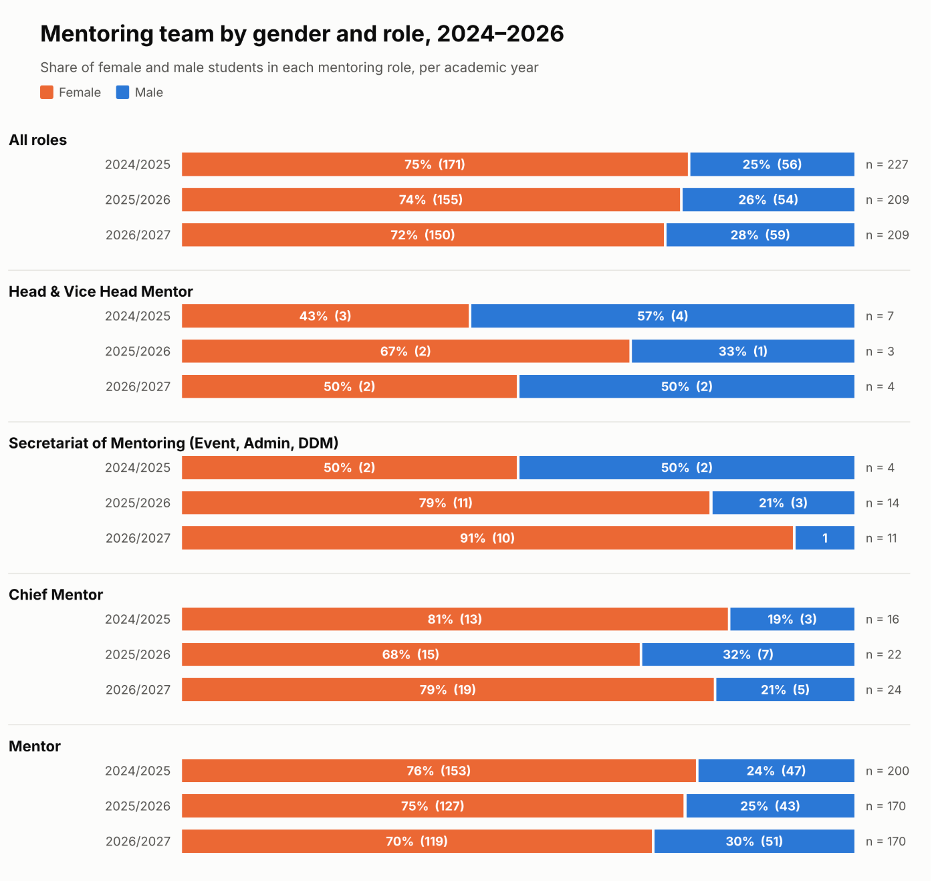
A significant majority of student mentors at Universitas Pelita Harapan this academic year are female, with women outnumbering men by more than two to one in a key programme designed to support incoming freshmen. The trend highlights growing participation by female students in leadership and peer-support roles on campus.
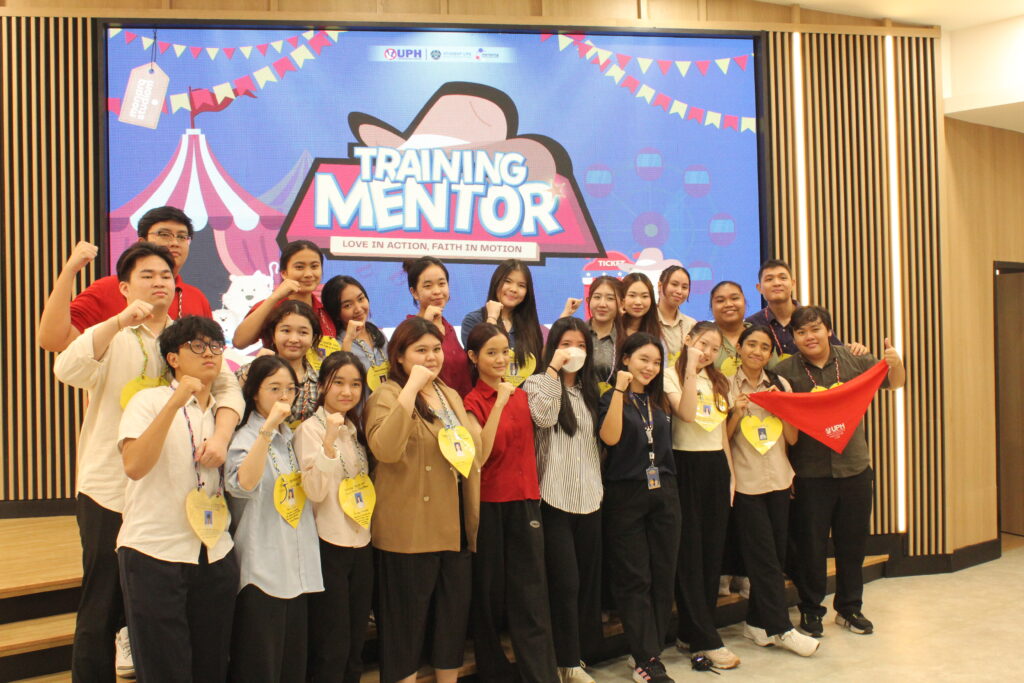
The university’s annual mentoring programme relies on second-year student volunteers, led by third-year “Chief Mentors”, to guide new students through their initial transition into higher education. This year, 227 mentors were selected, with official figures confirming 171 female and 56 male participants. Their primary role is to help freshmen acclimatise to the new environment by helping with campus facilities, administrative processes, and the university’s academic culture.